TikTok for Indie Game Developers: A Practical Guide
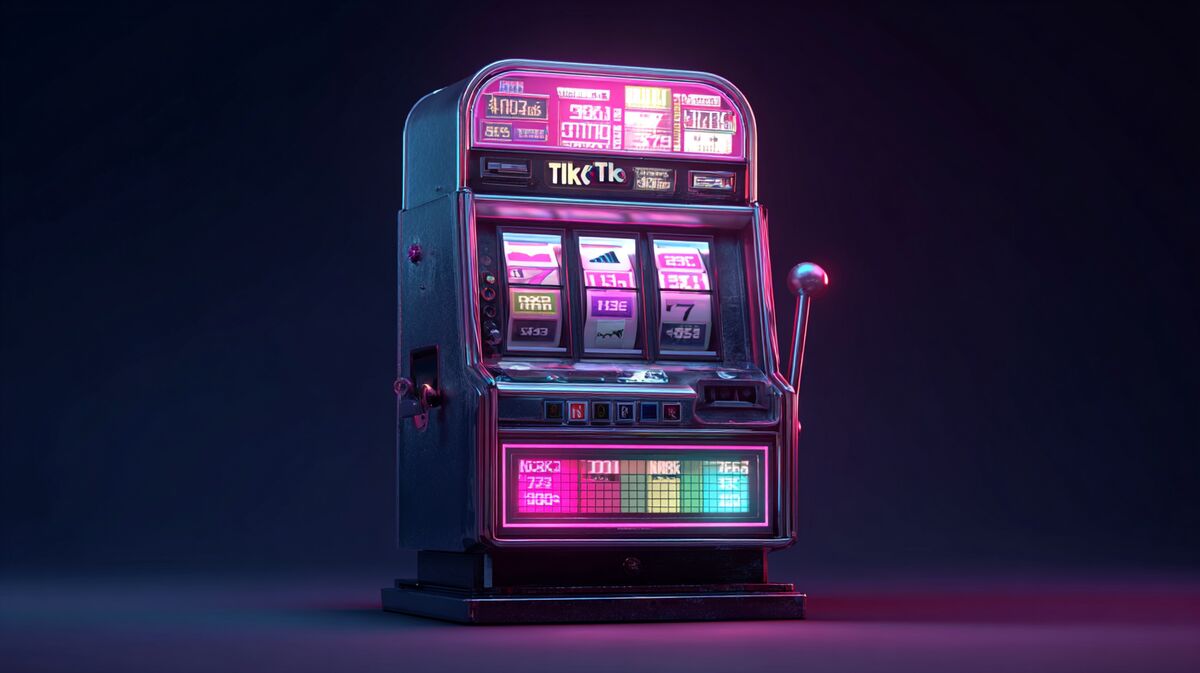
TikTok is a slot machine. You can post 50 clips and have one randomly hit a million views. That's both the appeal and the problem. The RNG is brutal but the jackpot is real. The appeal: TikTok's algorithm doesn't care about your follower count. A solo dev with 12 followers can reach millions of viewers on a single post. The problem: there's no reliable way to make that happen on demand.
TL;DR: TikTok works best for games with strong visual hooks. Cross-post every video to Instagram Reels and YouTube Shorts. The most effective strategy isn't "make TikToks" but "make a game with moments people want to TikTok about." Invest 1-2 hours per week max; don't let it eat development time.
Key Takeaways
- TikTok's algorithm evaluates each video independently. Follower count barely matters.
- Short gameplay clips, devlog progress, before-and-after comparisons, and bug showcases perform well.
- Cross-post everything to Instagram Reels and YouTube Shorts. Same format, different algorithms.
- Remove TikTok watermarks before posting to other platforms. They suppress reach.
- Paid TikTok ads rarely pay off for indie games. Conversion funnel is too long.
This guide is part of our wishlist-building strategy series. TikTok sits in the "high variance, potentially high reward" category for indie game marketing. When it works, it really works. Most of the time, it doesn't. Understanding when and how to use it saves you from wasting months creating content nobody sees.
Why TikTok Works for Games (When It Works)
Games are inherently visual. A 15-second clip of a satisfying combat mechanic, a weird physics interaction, or a creepy monster lurching through a hallway can stop someone mid-scroll. This is TikTok's entire model: content that arrests attention in the first half-second.
Most marketing advice tells you to "build a community" and "nurture your audience." TikTok skips all of that. The algorithm shows your video to a small test audience. If they watch it, share it, and engage with it, the algorithm shows it to a larger audience. Repeat until the video either plateaus or goes viral. Your follower count is almost irrelevant. Each video is judged independently.
This is fundamentally different from Twitter, where your reach is proportional to your followers, or Instagram, where the algorithm favors accounts with consistent posting history. On TikTok, every video has a lottery ticket's chance of reaching millions.
For indie games, this means a genuinely interesting 10-second clip has the same distribution ceiling as a trailer from a AAA studio. You're competing on content quality, not marketing budget.
The YAPYAP Case Study
YAPYAP is the clearest recent example of TikTok driving massive wishlist growth for an indie game. The game is an online co-op horror game where up to 6 wizard minions break into an archmage's tower. Classic friend-slop territory.
Their first announcement TikTok earned 1.5 million views. The team noted that most of their impressions came from "showcase content creators" making content from their trailer. They also had a solid playable demo that drove engagement during Next Fest. This is an important distinction: the biggest impact wasn't from the developer's own TikTok account. It was from other creators repurposing the trailer into their own content.
YAPYAP entered the October 2025 Steam Next Fest as the 3rd most-played demo and 4th on the Trending Upcoming chart. By the end of the festival, they were the #2 most-played demo. For tips on analyzing your Next Fest results, see our dedicated guide. They had over 200,000 wishlists before Next Fest even started.
Several factors made TikTok work for YAPYAP specifically:
- Strong visual hook. The game features floppy, cute, creepy wizard creatures. Visually distinctive content that's easy to clip.
- Friend-slop genre. Co-op games with funny moments are content creator catnip. Players want to share funny moments with friends, which drives natural sharing.
- Previous success. The team's earlier game BAPBAP gave them an established base to cross-promote from. They weren't starting from zero.
- The content was made by others. TikTok creators discovered the trailer and made their own content. The developer didn't have to produce 50 TikToks hoping one would hit. The community did it for them.
That last point matters. The most effective TikTok strategy for games isn't "make TikToks." It's "make a game with moments that other people want to make TikToks about." Developers who've had TikTok success consistently report that organic content from players and creators drove more views than anything the studio posted themselves.
Content Formats That Actually Work
Based on what's performed for indie games across 2024 and 2025, here are the content formats with the best track records.
Devlog Clips
Short (15 to 30 second) clips showing development progress. "I've been working on this game for 6 months, here's what it looks like now." The hook is the transformation, going from nothing to something that looks cool.
What makes these work: authenticity. You're not polishing a marketing message. You're showing raw development. People on TikTok respond to genuine creative process content. The imperfections (programmer art, placeholder sounds, janky animations) actually help because they make you relatable. In practice, developers report that their "embarrassing" work-in-progress clips often outperform polished marketing material by a wide margin.
What kills these: being boring. A devlog clip of you adjusting menu alignment for 15 seconds won't stop anyone from scrolling. Pick moments with visual impact.
Before-and-After
Show the same scene, mechanic, or character early in development and then in its current state. The format is proven across every category on TikTok, from home renovation to game development. It works because the human brain finds transformation satisfying.
Tips: use a hard cut (not a slow fade) between the before and after. Put the most dramatic improvement first. If your game hasn't changed much visually, this format won't work for you.
Satisfying Mechanics on Loop
A perfectly looping GIF of a satisfying game mechanic can rack up views because TikTok counts repeat plays the same as first views. A marble rolling down a track, a chain reaction of explosions, a building being constructed block by block, anything that triggers the "one more loop" instinct.
This works best for games with strong visual feedback loops: physics games, building games, idle games, anything with particles and juice.
Bugs as Content
Counterintuitive, but bugs and glitches are some of the best-performing game dev content on TikTok. A character model stretched to horrifying proportions, a physics glitch that sends objects into orbit, a pathfinding failure that makes NPCs walk in circles. These are funny, shareable, and humanizing.
The developer of CLICKOLDING (a horror incremental game) leaned into weird, creepy moments from development. The game shipped with over 1,400 reviews. Showing the strange and broken moments of development makes your game memorable in a way that polished marketing clips don't.
"Day 1 of making a game about X"
Serialized content where each video is a numbered day of development. This builds narrative momentum. People who see Day 12 want to go back and watch Days 1 through 11. TikTok's algorithm favors accounts with binge-worthy content because it keeps users on the platform longer.
The risk: this format requires consistency. If you post Day 1 through Day 5 and then disappear for a month, you lose the momentum. Only commit to this if you can post at least twice a week.
Cross-Posting to Reels and Shorts
Every TikTok you create should also go on Instagram Reels and YouTube Shorts. The content format is identical (vertical, short, mobile-first), and each platform has its own algorithm that evaluates content independently. A video that flops on TikTok might take off on Reels, and vice versa.
Practical tips for cross-posting:
- Remove the TikTok watermark before posting to other platforms. Instagram and YouTube algorithmically suppress videos with competing platform watermarks. Use a tool like SnapTik or record without the watermark.
- Adjust captions for each platform. Hashtag strategy differs. TikTok favors niche hashtags (#indiedev, #gamedev, #indiegame). Instagram favors a mix of broad and niche. YouTube Shorts keywords work differently from hashtags.
- Post at different times. Don't upload to all three platforms simultaneously. Stagger them by a day or two so you can learn which platform performs best for your specific content.
- YouTube Shorts has a unique advantage: it's connected to YouTube search. A Short titled "I made a horror game in Unity" can rank in YouTube search results and drive views for months. TikTok and Reels content has a much shorter shelf life.
This triple-posting strategy triples your potential reach with minimal additional effort. The video is already made. Uploading to two more platforms takes five minutes.
Free Tool: Creator Pitch Generator — Generate a personalized content creator pitch in seconds. Runs in your browser, no signup required.