The Studio Press Kit: Why You Need One Beyond Your Game
Most indie developers create a press kit for their game. Screenshots, description, trailer, logo, key art. That's the obvious one. Fewer developers create a press kit for their studio. And that gap costs them coverage they don't even know they're missing.
TL;DR: Your studio press kit is the permanent layer under your game kits. It tells journalists who you are, lists your shipped titles, credits your team, and persists across projects. When someone writes a "studios to watch" piece or an award nomination, they need studio-level info.
Key Takeaways
- Game press kits are temporary. Studio press kits accumulate your history across projects.
- Include studio description, history, team credits with names and roles, logo files, and contact info.
- The studio kit answers "who made it and why should I care?" while game kits answer "what is this game?"
- Journalists covering indie games increasingly focus on the people behind the work. Name your team.
- Link each game kit to the studio kit and vice versa for complete navigation.
A studio press kit is the permanent layer underneath your game-specific kits. It tells journalists, event organizers, award committees, and potential partners who you are as a company, not just what your current project is. When someone writes a profile piece, an award nomination, a "studios to watch" roundup, or a post-launch retrospective, they need studio-level information. If they can't find it, they either skip you or make something up.
This article covers why the studio kit matters, what goes in it, and how it connects to your game kits. It's part of our complete branding guide for indie game studios. If you're still figuring out when to create your press kit, start there for timing guidance.
Why a Studio Kit Matters
Journalists Need Context
A game press kit answers "what is this game?" A studio press kit answers "who made it, and why should I care?"
That second question matters more than you think. Journalists covering indie games are constantly evaluating credibility. A studio with a clear history, a visible team, and a coherent identity is easier to write about than a faceless entity with no background. Feature stories, interviews, and "rising studio" pieces all require studio-level information that a game kit simply doesn't contain.
Michael Schade of Rockfish Games said it plainly: "Having a proper press kit shows professional intent, even if it is just a solo dev game." The studio kit is where that professional intent lives permanently.
Your Studio Outlasts Any Single Game
Game press kits are temporary. They're active during a marketing cycle and then slowly become archival material. Your studio kit is the persistent document. It accumulates your history, your shipped titles, your awards, and your team credits. When your second game launches, journalists can look at your studio kit and see the trajectory. That context changes how they write about you.
Think of your studio kit as your save file that carries across campaigns. Each game is a new run. The studio kit is the persistent progress.
Awards, Festivals, and Partnerships
Festival submissions, publisher meetings, and award nominations frequently ask for studio information. A team bio. A company history. A logo package. If you don't have these organized in one place, you'll spend 45 minutes reassembling them from scratch every time someone asks. A studio kit gives you a single URL to share.
What Goes in a Studio Press Kit
Studio Description (Boilerplate)

Two to three sentences covering who you are, where you're based, and what you make. This is the same boilerplate that appears on your website's about page and at the bottom of your press releases. Keep it factual and specific. No marketing superlatives.
Good: "Foam Sword is a two-person studio based in Edinburgh, Scotland, making games about adventure, discovery, and childhood imagination. Their debut title, Knights and Bikes, was published by Double Fine Presents in 2019."
Bad: "We are a passionate team of gamers dedicated to creating unforgettable interactive experiences." This could describe any studio on Earth. Specificity is your friend.
Studio History
A brief chronology. When was the studio founded? By whom? What was the first project? What milestones followed? This doesn't need to be a novel. A few paragraphs or a timeline with dates is enough.
Journalists writing feature pieces pull from this section. So do conference organizers writing speaker bios and event programs listing participating studios. Make it easy for them to get the facts right.
Team Overview
This is one of the most overlooked sections in indie press kits, and one of the most useful. List every team member with their name, role, and (optionally) a short bio.
Why this matters: press coverage of indie games increasingly focuses on the people behind the work. Journalists want to know who designed the combat system, who composed the music, who drew the art. Credits buried in a game's options menu don't help them. Credits in your studio press kit do.
For solo developers: list yourself. Include your background. Where did you work before? What skills did you bring? A solo dev who previously spent five years in AAA as a level designer is a more interesting story than an anonymous first-time developer.
For teams: include everyone. Even contractors and key collaborators. The audio person who composed your soundtrack, the localization team, the QA volunteers. Crediting people properly is good practice regardless, and it gives journalists more angles for their stories.
If team members are comfortable with it, include headshots or a team photo. Press outlets use these. A human face next to a studio name makes the coverage more personal and engaging.
Free Tool: Fact Sheet Generator — Generate a professional game fact sheet ready to paste into your press kit. Runs in your browser, no signup required.
Previous Projects
A section for every game you've shipped, with:
- Game name and release date
- A one-sentence description
- Key art or a representative screenshot
- Links (Steam page, press coverage, trailer)
- Any notable achievements (awards, sales milestones, review scores)
This section is critical for studios working on their second or third game. It gives journalists the full picture. "This is the team behind [Previous Game], which won [Award] and sold [Number] copies" is a much stronger pitch angle than "here's a new game from people you've never heard of." Developers who ship multiple games consistently report that their second launch gets significantly more press interest than their first—but only if journalists can find the connection in the press kit.
Even if your previous project was a game jam entry that twelve people played, include it. It shows trajectory.
Studio Logo and Visual Assets
Your studio logo in multiple formats:
- Full-color PNG with transparent background (high resolution, at least 2000px wide)
- White/monochrome version for dark backgrounds
- SVG vector file
- Icon version (the simplified mark that works at small sizes)
Include your brand colors (hex codes) and font names if you want press to accurately represent your visual identity. Most won't use this information, but design-conscious outlets sometimes match their feature layouts to your brand.
A press-specific email address. Not a personal Gmail. Something like press@yourstudio.com or hello@yourstudio.com.
Links to all your social accounts. Your website URL. Your Discord server invite (if applicable).
If you have a PR representative or agency, include their contact info here. If you handle press yourself, say so. Either way, make the path to reaching you obvious.
Awards and Recognition (If Applicable)
If your studio or any of your games have won awards, been nominated, or been featured in notable showcases, list them. "Selected for Day of the Devs 2024." "Winner, Best Indie Game, [Event]." "Featured in Steam Next Fest, October 2025."
Don't pad this section with participation awards. A short list of genuine recognition is stronger than a long list of "we submitted to this festival."
How Studio and Game Press Kits Relate
The studio kit is the parent. Game kits are the children. Each exists independently but links to the other.
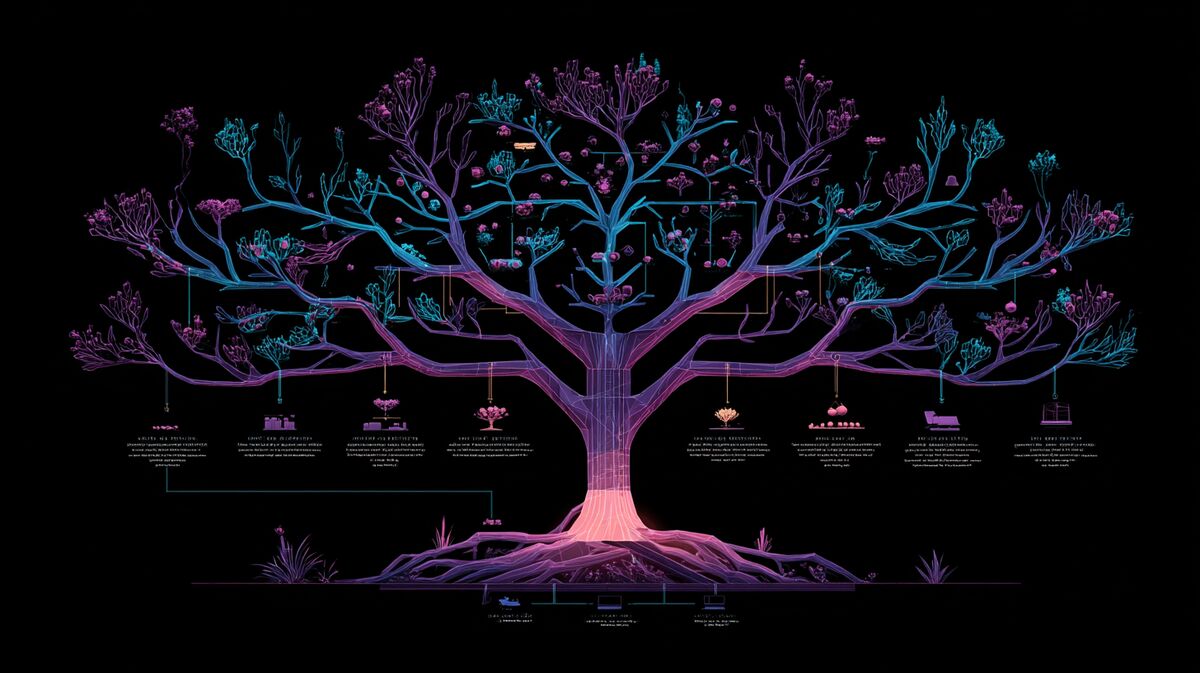
Your studio press kit should link to every individual game press kit. Each game press kit should link back to the studio kit. This structure lets a journalist start from either direction. They might find your game first and want studio context. Or they might find your studio and want to see what you've shipped.
The presskit.gg Structure
presskit.gg is built around this exact hierarchy. When you set it up, you create a studio profile (your company page) and then add individual game entries underneath it. Each has its own URL on your domain:
yourstudio.com/press-kit/ (studio overview)yourstudio.com/press-kit/your-game-name/ (individual game)
The studio page displays your company description, team info, logo downloads, and a list of all your games with links to their individual kits. Each game page has its own screenshots, descriptions, factsheet, and downloadable assets, with a link back to the studio page.
This structure mirrors what press outlets expect. Rami Ismail (vlambeer, presskit()) designed the original presskit() tool around this same hierarchy because it's how journalists actually browse press materials: studio level for context, game level for assets.
Because presskit.gg runs on your own domain as a WordPress plugin, the SEO benefits compound. Backlinks from press coverage point to your domain, strengthening your entire web presence. Our comparison of self-hosted vs hosted tools explains why this matters for long-term discoverability.
Common Mistakes
No Studio Kit At All
The most common mistake. You have a game press kit with screenshots and a description, but no studio page. A journalist wants to write about your team and has to piece together information from your Twitter bio, a LinkedIn search, and a half-finished website "About" page. Some will do this detective work. Most won't bother.
The "About Us" That Says Nothing
"Founded in 2023, we are a small but dedicated team working on our first commercial release." This tells a journalist nothing useful. When was the studio founded? By who? Where? What's their background? What have they worked on before? Give people something to write about.
Your studio kit still lists a game that launched a year ago as "coming soon." Your team section includes someone who left six months ago. Your press email bounces. Outdated press materials are worse than no press materials, because they make a journalist waste time before they realize the information is stale.
Review your studio kit every three months. Update it when team members join or leave, when games ship, when you win awards. This takes ten minutes. Do it. In practice, developers who set a calendar reminder for quarterly press kit reviews catch outdated information before it becomes embarrassing—stale bios and missing shipped games are surprisingly common.
Missing Team Credits
A studio kit with "Team: 4 people" and no names. This is a missed opportunity for coverage. Journalists can't quote anonymous developers. They can't write "lead artist [Name] previously worked at [Studio]" if they don't know who your artists are. Name your team. Credit their work.
Forgetting the Logo Downloads
Your studio logo is displayed on the page but there's no download link. A journalist wants to use your logo in their article header and has to right-click, save, and hope the resolution is usable. Include clearly labeled download links for every format. Make it effortless.
Building Your Studio Kit: The Checklist
You can create a complete studio press kit in a single session. Here's the order:
- Write your studio boilerplate (2-3 sentences, factual, specific)
- Write a brief studio history (founding, milestones, current status)
- List your team with names, roles, and optional short bios
- Gather studio logo files in all needed formats (PNG, SVG, white version)
- Create entries for each shipped game with description, key art, and links
- Add your contact email and social links
- List any awards or notable features
- Upload everything to your press kit tool or press page
- Link the studio kit from your website's main navigation
- Test every download link
If you're using presskit.gg, steps 8 and 9 happen automatically as part of the WordPress setup. If you're building by hand, create a clean page at yourstudio.com/press/ with all of the above organized under clear headings.
Your studio press kit is one of those things that feels unnecessary until the moment you need it. Then it's either ready or it isn't. The studios that have it ready are the ones who get the feature story, the award nomination, the "studios to watch" list placement. The studios that don't have it get a brief mention and a generic screenshot. Same game, same quality, different outcome, all because one studio made it easy for people to write about them. What tends to happen in practice is that the coverage opportunity comes with a short deadline—journalists working on a "studios to watch" piece need your info today, not after you spend a week assembling it.
Frequently Asked Questions
Do I need a studio press kit if I'm a solo developer?
Yes. You're still the studio. List yourself, your background, your role. A solo dev who previously worked at a AAA studio is a more interesting story than an anonymous first-time developer. Give journalists something to write about.
How often should I update my studio press kit?
Review it every three months. Update when team members join or leave, when games ship, when you win awards. Outdated press materials are worse than no materials because they waste journalists' time.
Should I include credits for contractors and collaborators?
Yes. The audio person, the localization team, QA volunteers. Crediting people properly is good practice and gives journalists more angles for stories.
What's the relationship between studio and game press kits?
The studio kit is the parent; game kits are children. Each exists independently but links to the other. A journalist might find your game first and want studio context, or find your studio and want to see what you've shipped.
This article is part of our series on branding. Start with the complete guide:
Also in this series:


